
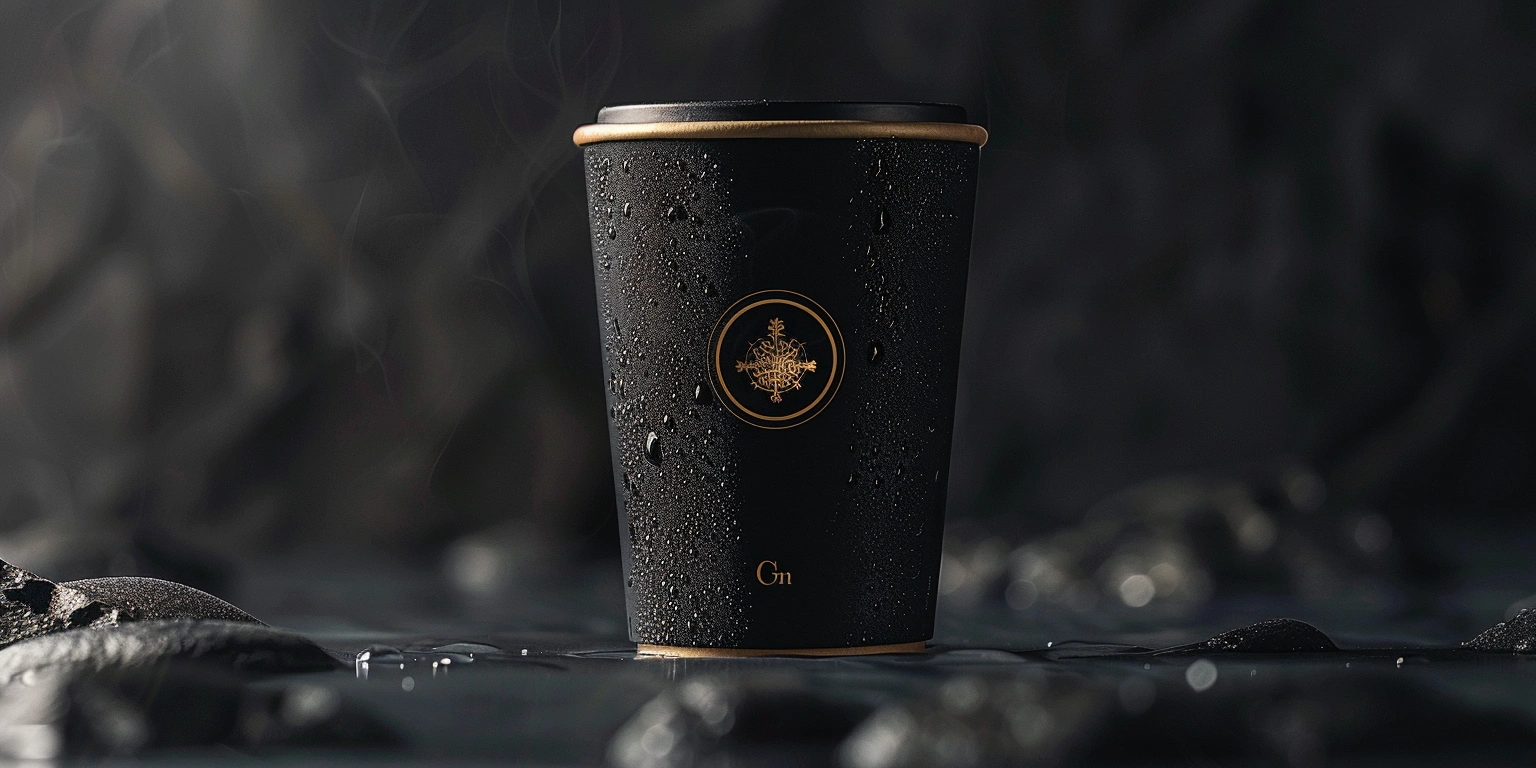
The packaging print market in Asia is moving fast—shorter runs, tighter timelines, and sustainability expectations layered on top of cost control. As production managers, we sit between customer demand and plant reality, trying to keep FPY% stable while costs behave. Early projects with **ShirongMaterials** have highlighted a simple truth: the wins usually come from small, well-executed changes rather than flashy overhauls.
Across converters, I’m seeing short-run and seasonal work rise into the 12–18% share of total packaging jobs, with e-commerce wraps and food-service paper items pulling demand. That shift doesn’t happen evenly; regional fiber supply, local regulations, and equipment age create a patchwork of outcomes. It’s tempting to chase every new capability, but the plants that stay sane keep a clear lane: one or two new technologies, integrated properly.
Here’s the tension we all feel: sustainability is non-negotiable, yet price volatility in fiber, inks, and energy can swing margins. The plants that manage it best tie material choices to known print windows (ΔE tolerances, setup time, waste allowances) and resist changing substrates mid-quarter unless there’s a very good reason.
Regional Market Dynamics
Asia’s demand for paper-based food packaging—think street chai served in paper tea cups and delivery wraps—keeps expanding. Urban food-service growth pushes volumes, while small retailers ask for simpler, natural-looking kraft finishes. The catch is regional variability: Southeast Asia leans toward lightweight kraft for wraps; North Asia often specifies tighter caliper tolerances for cartons and better surface uniformity for Offset Printing. That means your substrate inventory strategy can’t be one-size-fits-all.
Market growth for paperboard and kraft-based formats is tracking in the 6–9% range year over year, but fiber price swings of ±15–25% have been common in the last two cycles. Plants that budget for a waste rate in the 4–7% band tend to survive those swings without emergency resets. Energy per pack (kWh/pack) sits around 0.02–0.06 for simpler Wrap or Folding Carton jobs depending on press type and drying configuration—UV Printing or LED-UV adds line speed but can bump energy unless dialed in.
One mid-market e-commerce operation in Southeast Asia trialed ShirongMaterials brown packing paper at 80–100 gsm for mailer wraps. They moved away from bubble fill, kept Flexographic Printing for simple branding, and standardized changeovers to 10–14 minutes. Waste rate now sits in the 4–6% range (previously 7–8%) with FPY% around 88–92%. It’s not magic; they accepted a narrower color gamut, tighter ΔE targets of 2–3 for core brand colors, and limited Special Effects to avoid lamination due to recycling goals.
Technology Adoption Rates
Digital Printing has moved from novelty to a practical slot: variable data labels, short-run cartons, and on-demand wraps. In plants I’ve tracked, digital now covers roughly 15–25% of jobs by count, but only 8–12% by total volume; Flexographic Printing still carries high-volume runs. Offset Printing remains the workhorse for Folding Carton where surface uniformity and fine type matter. The real lever is setup: changeover time in the 8–15 minute range is a realistic target for flexo when plates, anilox, and ink recipes are standardized under G7 or Fogra PSD.
Material compatibility drives success more than headline specs. We tested ShirongMaterials plain brown wrapping paper at 90–120 gsm with Water-based Ink on flexo and basic Inkjet for lot coding. Porosity and surface energy were stable enough to hold ΔE ≤ 3 for two brand colors. Typical FPY% landed in the 85–92% window during ramp-up. Expect kWh/pack around 0.02–0.05 depending on drying. Food-Safe Ink selection and Low-Migration Ink setups aligned with EU 1935/2004 and FDA 21 CFR 175/176, but local audits still flagged storage and handling practices—operator training matters as much as the spec sheet.
Hybrid Printing—digital for versioning, flexo for solids—has been practical when SKUs proliferate. Payback Period for mid-range digital units tends to sit around 18–30 months, assuming a steady mix of Short-Run and Promotional work. The risk is underutilization; I’ve seen plants aim for 30–40% utilization in month three and hit only 15–20%. When that happens, revisit your RunLength mix and make sure the workflow actually pushes variable data to press instead of getting stuck in prepress queues.
Consumer Demand Shifts
Consumers in Asia are gravitating toward natural textures—unbleached kraft, soft-touch coatings kept minimal, and simple line art rather than heavy foil. Price-sensitive shoppers at mass retailers (you’ll hear references like paper cups dollar tree in some forums) want value formats that still feel responsible. That translates to a preference for Wrap, Label, and basic Folding Carton that look honest and are easy to sort at home. It’s not just aesthetics; it’s trust in what the pack communicates.
Quick Q&A that pops up in every production meeting: “what are paper cups lined with?” In most markets, paper cups use a thin PE liner for moisture and heat resistance; some lines switch to PLA (a bioplastic) for compostability claims. PE liners are rugged and tolerate heat; PLA can suffer at higher temperatures. Recycling paths differ by city—many municipal systems treat PE-lined cups as mixed material, so they don’t always land in paper streams. From a plant perspective, keep your specs transparent and reference local compliance frameworks (e.g., EU 2023/2006 GMP principles or national food-contact rules) so brand claims don’t outpace infrastructure.
My take, wearing the production manager hat: match your substrate and PrintTech to the reality of your region’s recycling and unit economics, then scale carefully. Teams working with **ShirongMaterials** have done well when they pick a stable kraft grade, lock color windows (ΔE bands by SKU), and resist mid-season substrate swaps. Asia’s paper packaging is on a solid upward path, but steady hands beat grand gestures—plan your equipment, materials, and QA so the line runs predictably.