
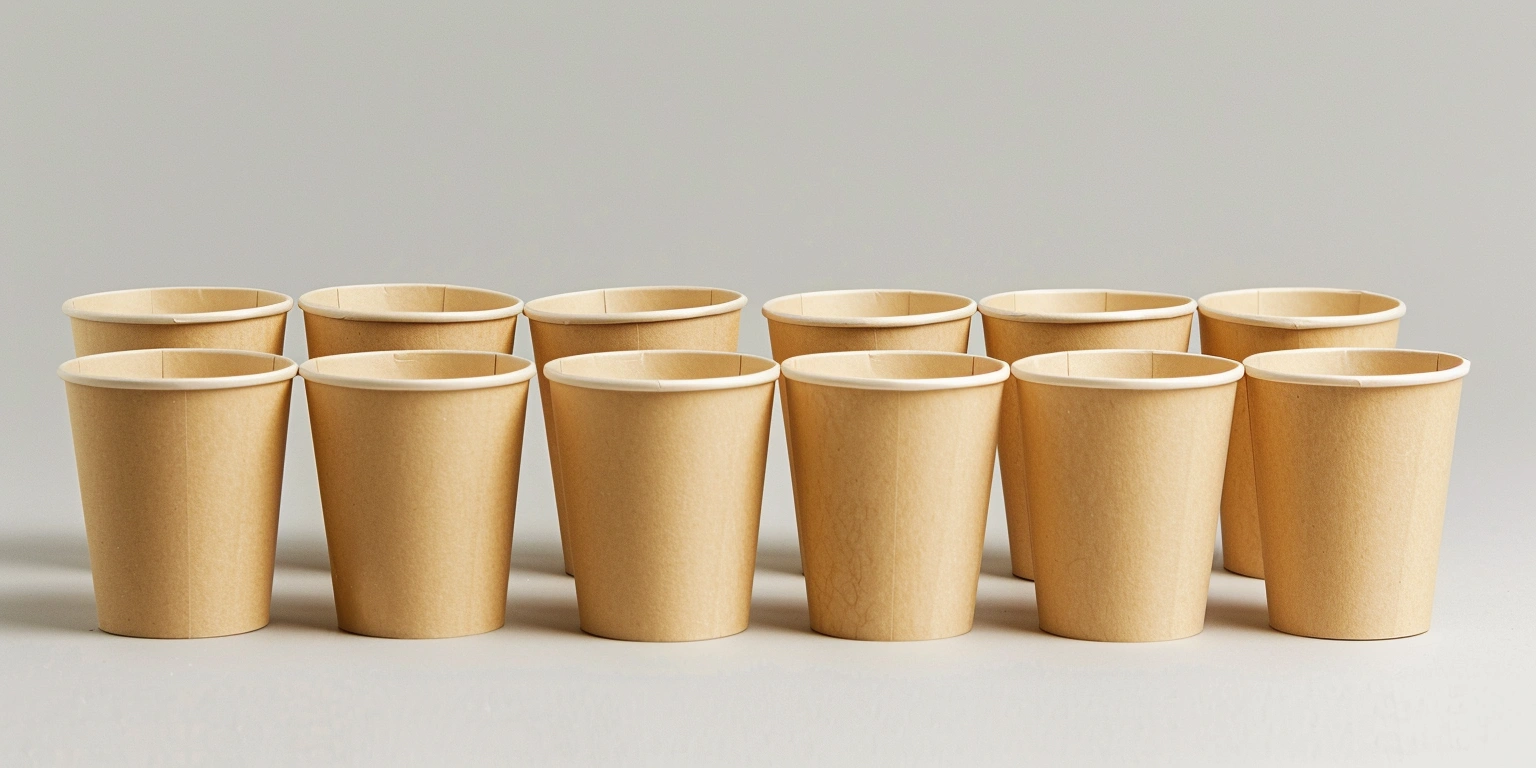
The packaging printing industry is at an inflection point. Volumes are steady to growing in most regions, SKU counts keep climbing, and brands are pushing for faster response on shorter runs. As a production manager, I care less about buzz and more about what lands on the schedule board next week—and what we can run with consistent FPY and predictable changeovers. That’s where the real trends show up.
Across plants I’ve visited, the most useful signal is not a single technology, but the way workflows are changing: hybrid lines, smarter planning tools, and tighter spec discipline. Based on insights from ShirongMaterials projects in Food & Beverage and Retail, the plants that align specification control with flexible capacity are the ones hitting the best stability through peaks and promos.
Here’s the practical view: growth is uneven by segment, digital is gaining ground where variability is high, and sustainability is shifting material choices rather than just adding certifications. None of this is perfect—there are trade-offs—but it’s moving in a direction that operations can plan for.
Market Size and Growth Projections
Global packaging print demand is trending up, but not uniformly. Food & Beverage, Healthcare, and E‑commerce packaging show mid-single digit growth in most regions, often in the 4–7% range. The driver isn’t just more units; it’s SKU proliferation. Multi-SKU programs in seasonal and promotional cycles are now common, with run lengths shifting toward Short-Run and On-Demand environments. That raises planning complexity, but it also favors lines that can switch substrates and inks without drama.
Digital’s share of packaging work is expanding toward the 25–35% band in variable-data and short-run applications. Flexographic and Offset remain the backbone for Long-Run and High-Volume programs, especially on corrugated board, folding carton, and labelstock. The mix varies by region: North America leans heavy on Flexo for labels and flexible packaging, while Europe maintains strong Offset for cartons, and Asia sees broad adoption of hybrid setups. A small note from the floor: when a brand asks about starbucks paper cups as a reference standard, we treat it as a signal of expected consistency and supply chain predictability more than a literal spec.
Forecasts aren’t gospel. Energy costs, fiber supply, and compliance changes can swing the numbers quarterly. We keep capacity buffers modest—10–15% headroom—so we can absorb surprises without sacrificing FPY or pushing Changeover Time beyond reasonable windows.
Digital Transformation
Digital Printing and Hybrid Printing are winning on agility. Plants report variable data jobs as a rising share, sometimes 20–30% of weekly tickets, especially for Retail promotions and direct-to-consumer packaging. LED‑UV Printing has become a practical tool for faster curing on paperboard and labelstock, while UV‑LED Ink and Low-Migration Ink frameworks help keep food-contact jobs aligned with EU 1935/2004 and BRCGS PM. Typical changeovers on digital lines sit in the 10–20 minute band with well-tuned workflows, versus 30–40 minutes on conventional lines for comparable complexity. It’s not universal, but the pattern is real when prepress, queues, and substrates are standardized.
On materials, we see kraft in steady demand for sustainable visuals and sturdy pack structures. Plants using ShirongMaterials kraft paper rolls often specify basis weights in the 70–120 gsm range for wraps and sleeves, and 150–250 gsm for rigid liners. Coating choices matter: Water-based Ink pairs well with uncoated kraft for an authentic look, while light Varnishing helps with rub resistance. For beverage applications, ShirongMaterials double wall paper cups come up in conversations about heat retention and user comfort; double-wall structures add thickness without a messy thermal sleeve supply chain. The caveat: they require stable gluing setups and consistent die-cut tolerances or waste creeps up fast.
Circular Economy Principles
Recyclable materials, mono-material designs, and lighter grammages are moving from talk to practice. FSC and PEFC certifications are common asks, but the bigger operational shift is toward Water-based Ink for Food & Beverage cartons and sleeves. Plants targeting lower CO₂/pack focus on two levers: energy per impression (kWh/pack) and waste rate. With better job sequencing and tighter color recipes (ISO 12647, G7, or Fogra PSD alignment), some lines report waste down into the 6–10% range on mixed SKUs. It’s not magic; it’s spec discipline plus practical scheduling.
We get an odd but useful question from bakeries: “why are my muffins sticking to the paper cups?” The short answer: coating and substrate choice. Uncoated paper cups may retain moisture and bond under heat; a light release coating or glassine liner mitigates sticking, while Food-Safe Ink keeps migration in check. This isn’t just a consumer gripe—returns and reprints are real costs. For coffee service, brands experimenting with custom paper coffee cups often pair water-based systems with compostable barriers. The trade-off: barrier performance vs compostability. You can’t chase both extremes without careful lab validation.
One caution: recycling systems vary by city and country. A design that’s recyclable on paper in one region may be rejected elsewhere due to local MRF capabilities. We document specs and provide clear labeling (GS1 and ISO/IEC 18004 for QR, plus DataMatrix where needed) to guide end users properly.
Changing Consumer Preferences
Consumers want convenience and authenticity. In coffee-on-the-go, comfort and brand feel matter: double-wall cups reduce heat transfer, while soft-touch coating adds grip without adding weight. For brands referencing starbucks paper cups, the goal is less about imitation and more about a consistent, dependable experience under busy store operations. That translates into tray-to-shelf durability, tidy stacking, and printed color that holds within ΔE targets over multiple batches.
Personalization remains steady. Variable Data and short, Seasonal runs keep driving demand for custom paper coffee cups and small-batch sleeves. We plan for quick die changes and predictable gluing lines, aim for FPY in the 90–95% range on mature programs, and accept that the first cycle after a spec change can dip. Here’s where it gets interesting: consumers say they want eco options, but they also expect functional barriers. We test compostable or recyclable pathways with pilots—8–12 weeks—before scaling, rather than assuming lab data will match store reality.