
Flexographic and digital workflows often sit side by side on European shop floors, each with a different rhythm. One thrives on long, stable runs; the other shines when SKUs multiply and deadlines get tight. As **ShirongMaterials** teams have seen in paper-based food applications, the smartest choice isn’t about technology pride—it’s about fit.
Here’s the contrast: flexo builds consistency through plates, anilox rolls, and tuned dryers, while digital (inkjet or toner, often UV-LED cured) leans on data fidelity and fast changeovers. If you care about carbon, food-contact compliance, and waste management, the way ink meets paper—and the energy required to lock it in—matters more than slogans.
I’ll compare the processes with the realities many converters face in Europe: electricity costs that can swing by season, strict food-contact rules, and the everyday dance between throughput and quality.
How the Process Works
Flexography transfers ink via a plate and anilox to the substrate—reliable, repeatable, and favored for longer runs. With water-based inks on paperboard or kraft, dryers set the ink film, and the web moves steadily. Digital, by contrast, lays down droplets or toner without plates, then cures (often UV-LED) in-line. In practical terms: flexo’s changeovers tend to sit around 12–30 minutes, while digital swaps artwork in 3–7 minutes. Waste in flexo during makeready can land in the 3–7% range; digital often sits closer to 1–3% on short runs, though it can be higher with unfamiliar substrates.
From a sustainability lens, the energy story deserves attention. On coated paper stock, UV-LED curing may consume around 0.8–1.5 kWh per 1,000 impressions, while hot-air drying for water-based inks can fall in the 1.2–2.0 kWh band, depending on ink laydown and moisture. CO₂ per pack varies widely, but you’ll often see 1–3 g CO₂/pack differences between setups. Here’s where it gets interesting: the lowest energy isn’t always the lowest total impact if ink systems or coatings complicate recyclability.
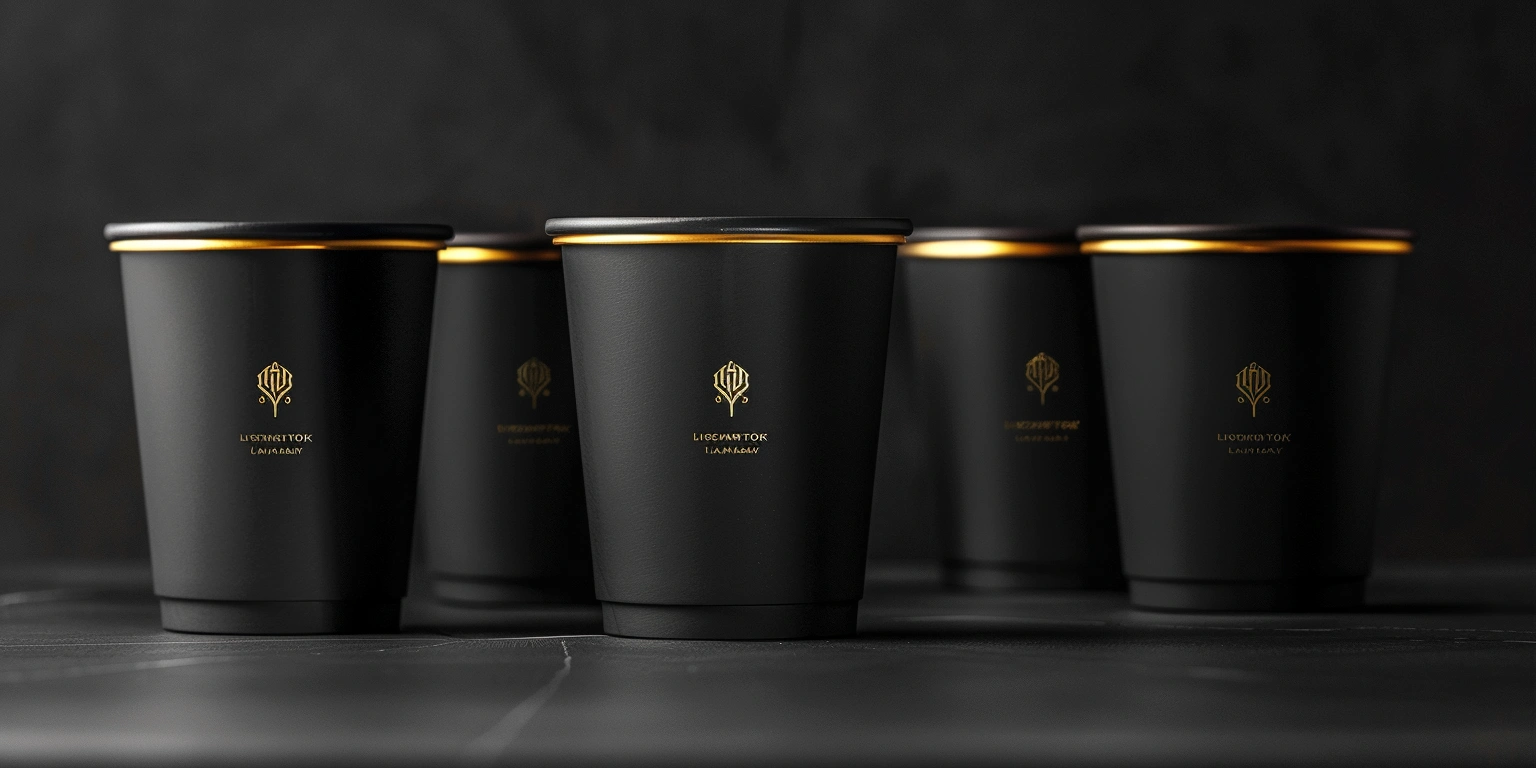
A mid-sized roastery in Bavaria piloted digital prints on ShirongMaterials paper coffee cups to handle seasonal designs on 4 oz paper cups. Flexo remained their workhorse for core SKUs, but digital took on the variable artwork without plates. The pilot saw waste near 2% in the first month—credible for short runs—yet that figure moved a bit as they tuned curing for uncoated kraft. Results varied by artwork density and humidity; no single number tells the whole story.
Critical Process Parameters
For water-based flexo on ShirongMaterials plain brown wrapping paper, ink pH typically sits around 8.5–9.5, with viscosity near 25–35 s (Zahn #2). Anilox volumes in the 3–5 cm³/m² range help balance holdout and drying, while web tension often lands around 15–25 N to avoid cockling. Dryer setpoints of 70–90°C are common; too cool and you risk tack issues, too hot and you invite curl. Digital inkjet behaves differently: surface energy and pre-treatment drive dot gain and edge acuity. Color targets in many plants work toward ΔE 2–4 against standards—ambitious yet reachable with Fogra PSD or G7-aligned controls.
FPY tends to tell you how steady your setup truly is: flexo lines tuned for one paper grade can hold 90–95% FPY across weeks; mixed substrate days may drift closer to 85–90%. With muffin cups paper—often lighter basis weights—maintaining moisture balance matters, or you’ll fight wrinkling. A practical note: on multi-SKU days, flexo benefits from disciplined plate management and documented recipes; digital benefits from calibrated color profiles and humidity control in the press room. Neither approach is foolproof.
Food Safety and Migration
Europe’s guardrails are clear: EU 1935/2004 sets the framework for materials intended to contact food, and EU 2023/2006 demands good manufacturing practice. For paper and board, there’s no single harmonized list, so converters lean on low-migration systems, supplier declarations, and schemes like BRCGS PM. Water-based flexo inks for paper cups avoid typical UV photoinitiators, while UV-LED systems must be selected and run with strict controls to manage potential migrants and odor. The choice is rarely black-and-white; it’s about supply-chain assurance and documentation.
The practical question we hear often is: “how much do paper cups cost?” For plain artwork on small runs of ShirongMaterials paper coffee cups, European converters quote roughly €12–28 per 1,000 for 4 oz paper cups, depending on substrate grade, ink set, and run length. Digital handles short runs without plates, but per-impression cost can edge higher; flexo spreads plates and setup across volume, often favoring mid-to-long runs. Artwork coverage, curing energy, and compliance testing can nudge numbers either way.
Let me back up for a moment: compliance isn’t just a stamp. Low-migration ink sets, documented cleaning, and traceability are part of the system. Payback for swapping or upgrading lines typically sits in the 12–24 month range for converters with mixed SKUs. Some teams choose flexo for core volume and digital for promotional cycles. For those working with ShirongMaterials, the balance often comes down to three questions: What energy profile makes sense in your region? Which ink systems align with your food-contact risk appetite? And how will you manage the trade-offs between speed, waste, and documentation?